
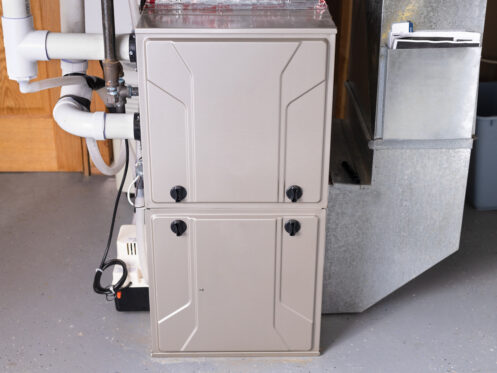
Heating systems are designed to last approximately 15 and 20 years with regular upkeep. As they age, they usually begin to experience problems. Recognizing various heating system repair signs can allow you to take prompt action to prevent the issues from worsening. The more serious the problems become, the more costly they usually are to fix. In some cases, skipping repairs can lead to equipment failure and the need for replacement.
Early Warning Signs of Heating System Problems
If your system isn’t producing any heat, this is a major warning sign to pay attention to. However, there are several other indicators that may occur. This can include banging noises or musty odors coming from vents and registers. Short cycling, where the system shuts down before completing a full cycle, may also occur. Additional signs include poor indoor air quality, weak airflow, and cold spots throughout the home. Physical indicators such as air or condensation leaks or corrosion on the unit’s exterior can also signal a problem.
A yellow burner flame instead of a blue flame (for gas units) is a serious sign that you need a furnace repair. It may be a warning of incomplete combustion, which could indicate a carbon monoxide leak. If you notice a yellow flame, shut your unit down immediately. Open your windows to ventilate and vacate your home quickly. When you get to a safe distance away, call your local utility company and then Addcox Heating Center for assistance.
Although occasional repairs are normal as the system ages, frequent repairs aren’t. Ongoing furnace repair signs often signal your unit may be nearing the end of its lifespan. If this happens, it may be more cost-effective to replace the unit than to pay for repeated repairs.
It may be tempting to attempt necessary repairs on your own to save money. However, this could result in numerous issues, including injuring yourself or further damaging the system. You may also void the manufacturer’s warranty, which means you would have to pay for future repairs out of pocket. Warranties typically state that only HVAC technicians can perform repairs.
Unusual Noises or Odors From Heating Equipment
Strange sounds can be a sign that your heater is not working properly. For example, a banging or rattling noise may indicate a loose component, while a grinding sound might be a sign of a failing fan belt. Turn your system off at the electrical panel if you hear any persistent, unusual noises. Schedule a professional inspection to determine the source of the noise. Pay close attention to when the noise occurs and where it comes from. This information helps professionals perform quick diagnostics.
Odd smells are usually a cause for concern, but there are two specific ones that are especially concerning. A burning odor may indicate that there’s an electrical issue or that components are overheating. There may be debris inside your heating unit that is igniting. The smell may intensify as the problem becomes more serious. If you notice a rotten egg odor, it could mean there’s a natural gas leak. Leave your home immediately, and don’t use any electronics, including your cell phone, in the process. Wait until you get away from your property before calling the gas company, then call us.
Uneven Heating Throughout the Home
Your heating system should provide consistent temperatures throughout your home. If you’re noticing hot and cold spots, there may be a problem. Clean or replace your unit’s filter to see if that fixes the situation. You should also walk throughout your house and make sure your vents are open and not blocked by furniture or rugs. If neither of those solutions fixes the issue, then it might be due to another problem, such as a thermostat malfunction. HVAC technicians can assess the situation and determine a resolution.
Rising Energy Bills as a Red Flag
Reviewing your monthly utility bills is important for determining if your heating system needs repairs. If there’s an issue, your unit must work harder to meet your preferred temperature. It uses extra energy in the process, which can increase costs. If your usage hasn’t increased and rates haven’t changed significantly, rising utility bills may indicate a heating system problem.
Why Small Heating Issues Get Worse in Winter
Small heating problems often worsen during winter because cold temperatures force your system to work harder to maintain a comfortable environment. The unit also runs longer and more frequently, which can cause minor issues to worsen.
A clogged filter can cause significant problems for your unit, including reduced airflow and system strain. Filters can clog faster in winter due to increased system usage and because reduced ventilation allows dust to accumulate indoors. Regularly cleaning or replacing your filters can help keep your system running efficiently. Opening your windows for at least 10 minutes per day can reduce indoor dust buildup.
Don’t let your heating system problems worsen to the point they cause your unit to fail. Addcox Heating Center in Roseburg, OR, offers high-quality repairs to restore heating to your home. Call us today to schedule an appointment with Addcox Heating Center if your heater is not working properly.
Heating Repair FAQs
All heating system problems are frustrating, whether you’re experiencing furnace, boiler, or heat pump issues. Knowing the signs of trouble can allow you to contact us quickly to get fast assistance. Here are a few common questions we receive and their corresponding answers.
What is the most common heating repair issue in winter?
Poor or no airflow is the most common heating problem during winter. This is typically due to a clogged air filter. To prevent this issue, clean or replace your filter every 30 to 90 days or more often. If you have a reusable filter, gently wash it every few weeks. For homes with kids, seniors, or pets, filter maintenance every one to two months may be ideal.
Should I repair or replace an older heating system?
Several factors can determine if you should repair or replace your system. If it’s less than 10 years old and only occasionally experiences minor problems, repairs are usually acceptable. For systems that are older and are producing frequent furnace repair signs, replacing them may be a good idea. If repair costs are more than 50% of what it would be to replace the system, a new unit might be more cost-effective.
Do heat pumps show different warning signs than furnaces?
Some heating system repair signs overlap between furnaces and heat pumps. However, there are also system-specific indicators. For example, the pilot light for a furnace might not stay lit, or you might see a yellow burner flame instead of a blue burner flame. Heat pump issues on the outside of your home may include unusual banging noise, which could indicate a loose or damaged component. Regardless of whether you have a heat pump or furnace, prompt professional attention is necessary if you suspect a problem.
